CONSULT AN ORTHODONTIST BEFORE YOUR CHILD IS 7!
Many children as early as 5 or 6 years of age may benefit from an
orthodontic evaluation. This helps in some preventative measures.

By age 7, most children have a mix of primary (baby) and permanant
(adult) teeth. Children may experience dental crowding, too much space
between teeth, protruding teeth, and extra or missing teeth and
sometimes jaw growth problems. Some of these common orthodontic
problems seen in children may be inherited from their parents.
Other malocclusions are acquired and they develop over time. They
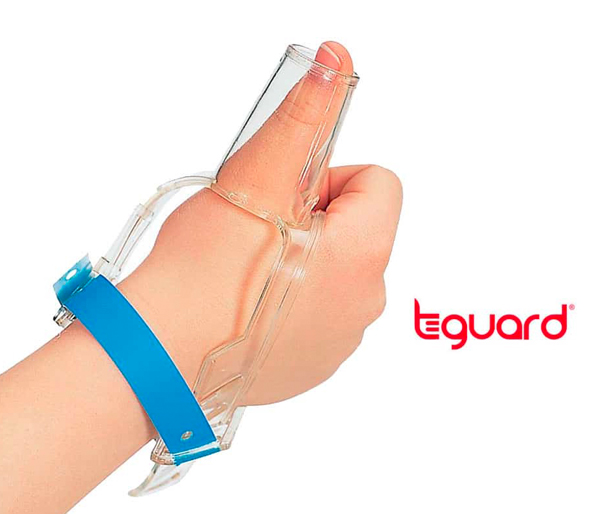
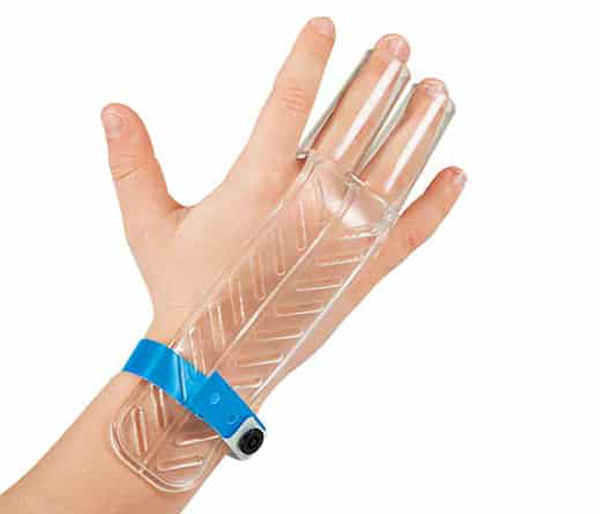
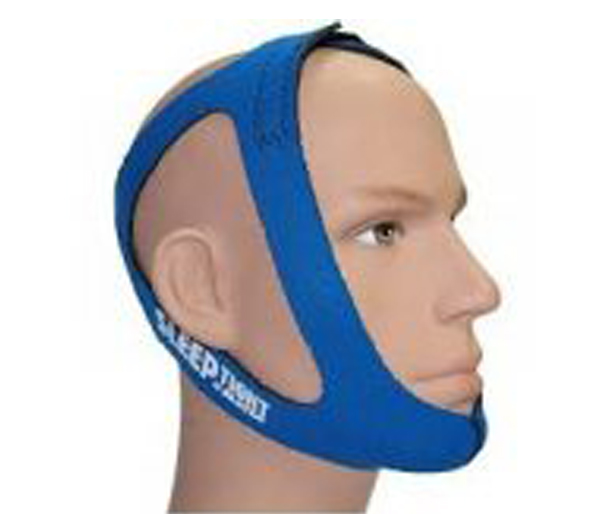
are mostly caused by thumb or finger-sucking, mouth breathing, dental
disease, abnormal swallowing, poor dental hygiene, the early or late
loss of primary teeth, accidents or poor nutrition. Trauma and other
medical conditions such as birth defects may also contribute to
orthodontic problems. Whatever the cause, the orthodontist is usually
able to treat most conditions successfully.
Orthodontists are trained to identify subtle problems with jaw
growth and emerging teeth while some baby teeth are still present. The
advantage for patients of early detection of orthodontic problems is
that some problems may be easier to correct if they are found and
treated early. Waiting until all the permanant teeth have come in, or
until facial growth is nearly complete, may make correction of some
problems more difficult. For these reasons, it is strongly reccommended
that all children get a check-up with an orthodontist no later than age
7. While your childs teeth may appear aligned and straight to you,
there could be a problem that only an orthodontist can detect.
When a problem is detected, your orthodontist may take a "wait and
see" approach. He may check your child from time to time as the
permanent teeth come in and the jaws and face continue to grow.
For each child that needs treatment, there is an ideal time for the
treatment to being in order to achieve the best results which the
orthodontist has the expertise to determine.
In some cases, your orthodontist might find a problem that
requires early treatment to prevent more serious problems from
developing and may make treatment at a later age shorter and less
complicated. For those patients who have clear indications for early
orthodontic intervention, early treatment gives your orthodontist the
chance to:
-
Guide growth of the jaw
-
Lower the risk of trauma to protruded front teeth
-
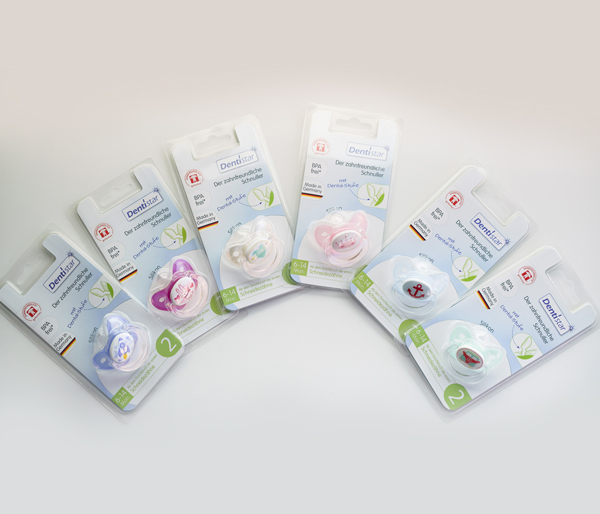
Correct bad oral habits
-
Improve appearance and self-esteem
-
Guide permanent teeth into a more favourable position
-
Improve the way lips meet
For parents it is not always easy to tell if their child has an
orthodontic problem. Some signs or habits that may indicate the need
for an orthodontic examination are: